ZERAF at REBUILD Madrid (24–26 March)
Miren Juaristi Gutierrez
miren.juaristigutierrez@eurac.edu
 Linkedin
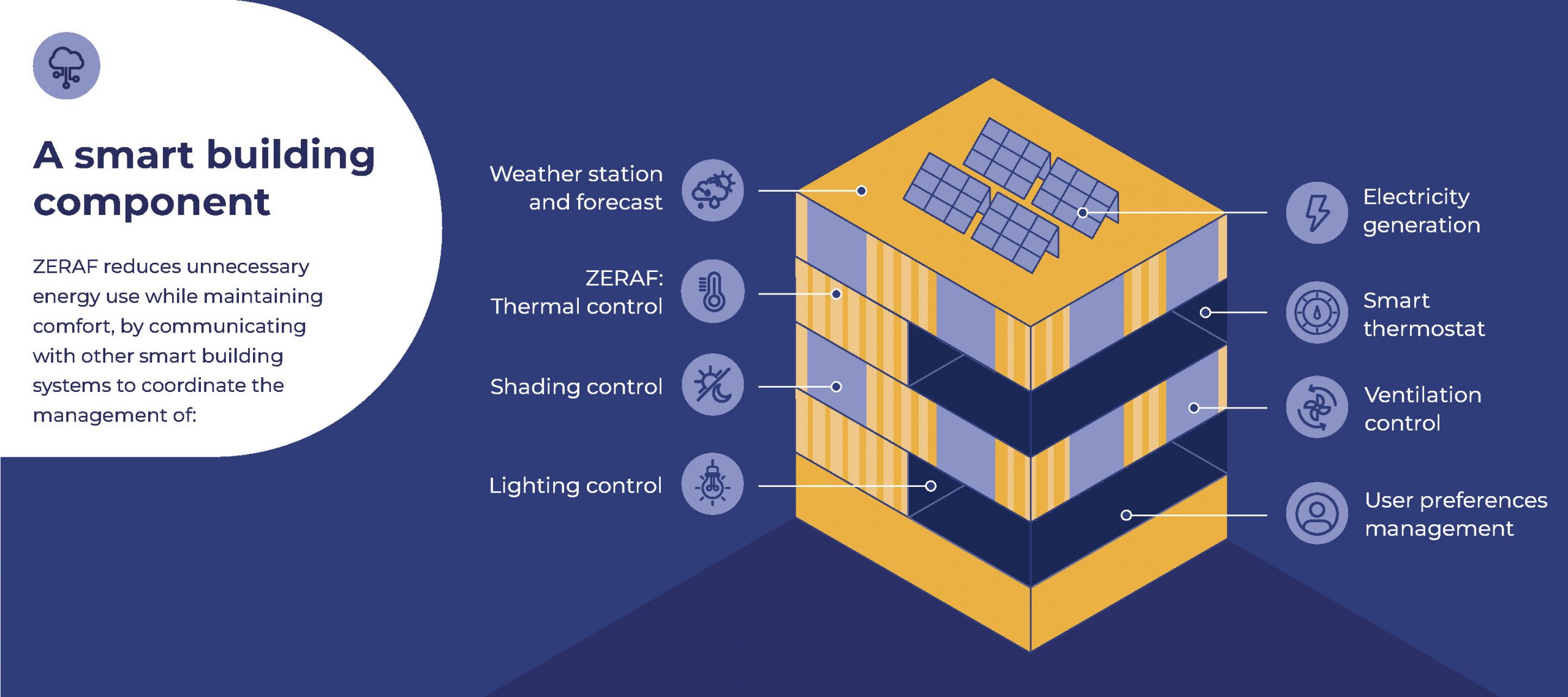
ZERAF envisions a new generation of building façades that actively reduce unnecessary energy use while maintaining indoor comfort. Rather than acting as a passive boundary, the ZERAF façade is conceived as an intelligent interface that communicates with other smart building systems to coordinate shading, lighting, ventilation, and heating and cooling systems, where present.
By integrating data from weather stations and forecasts, on‑site electricity generation, and user preferences, ZERAF aims to optimize how buildings respond to changing environmental conditions and occupants’ needs. At this stage, the project is focused on the development and validation of the façade technology that enables this vision.
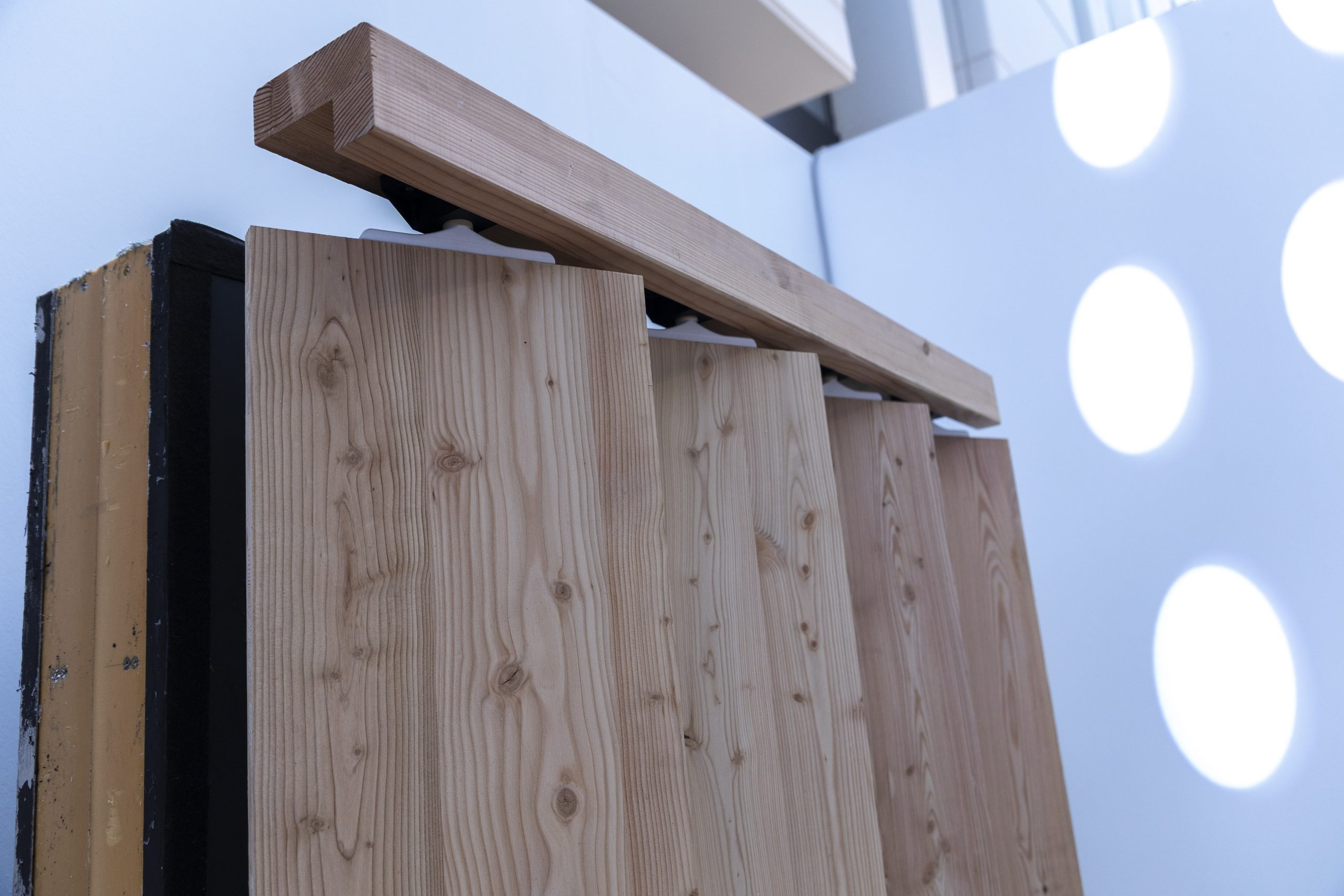
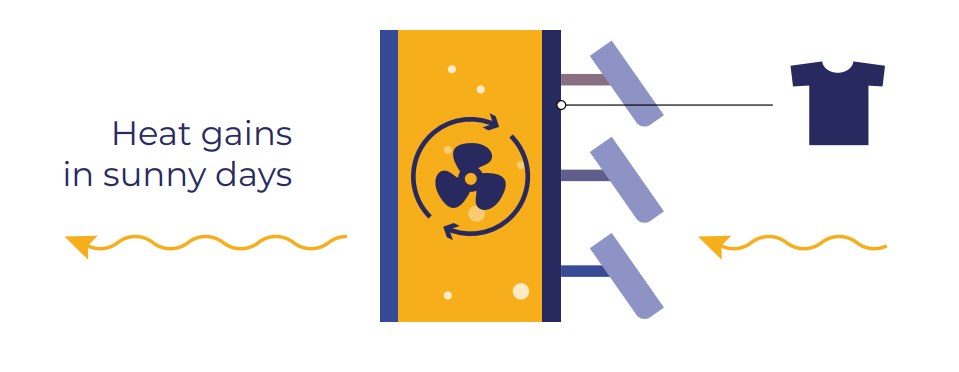
The ZERAF concept combines multiple adaptive elements—including kinetic cladding, a controlled ventilated air cavity, solar‑absorbing surfaces, and active insulation—into a single, integrated system. These components are coordinated through a dedicated control logic that can either limit heat transfer or enhance it when beneficial.
Through the active modulation of solar exposure, heat transfer through the wall, and air movement close to the façade, ZERAF lays the groundwork for façades that dynamically regulate a building’s thermal behaviour, supporting energy efficiency, resilience, and occupant comfort.
ZERAF at REBUILD Madrid (24–26 March)
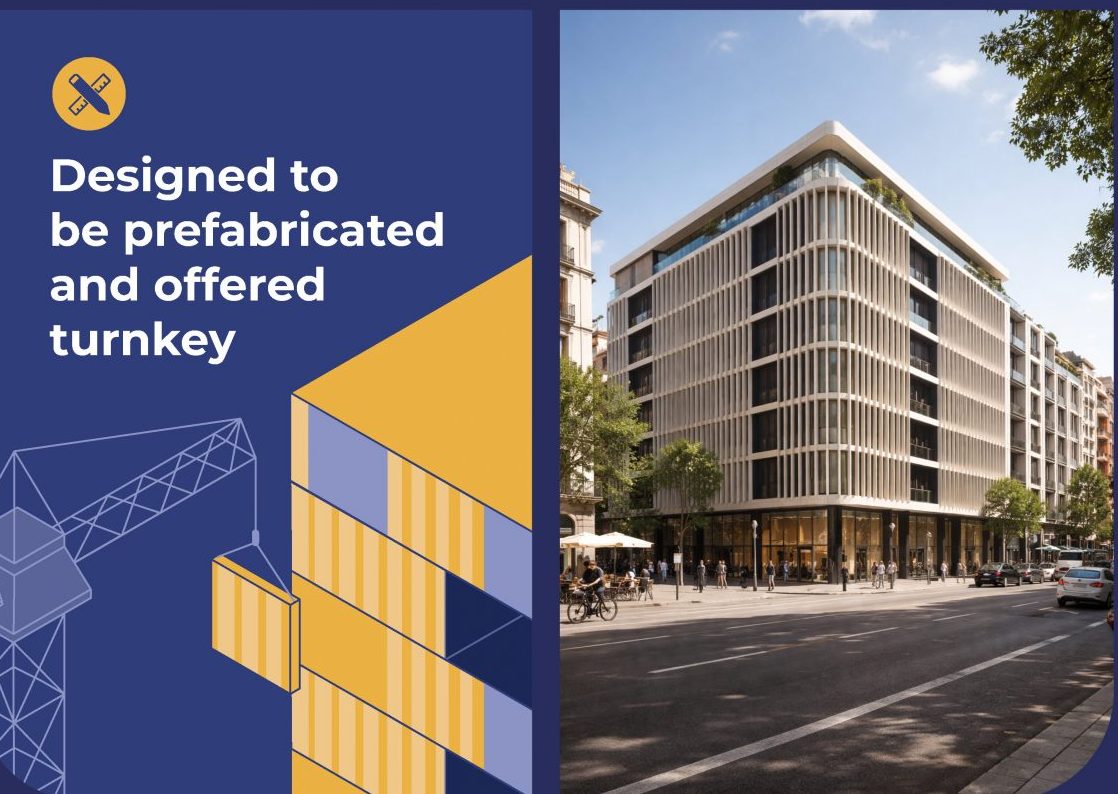
ZERAF search collaborations for real‑world pilot buildings
ZERAF featured in EURAC magazine interview: Intelligent Disruption

ZERAF innovative facade at Klimahouse 2026
ZERAF: The Facade Concept Behind the Revolution in Building Energy Efficiency
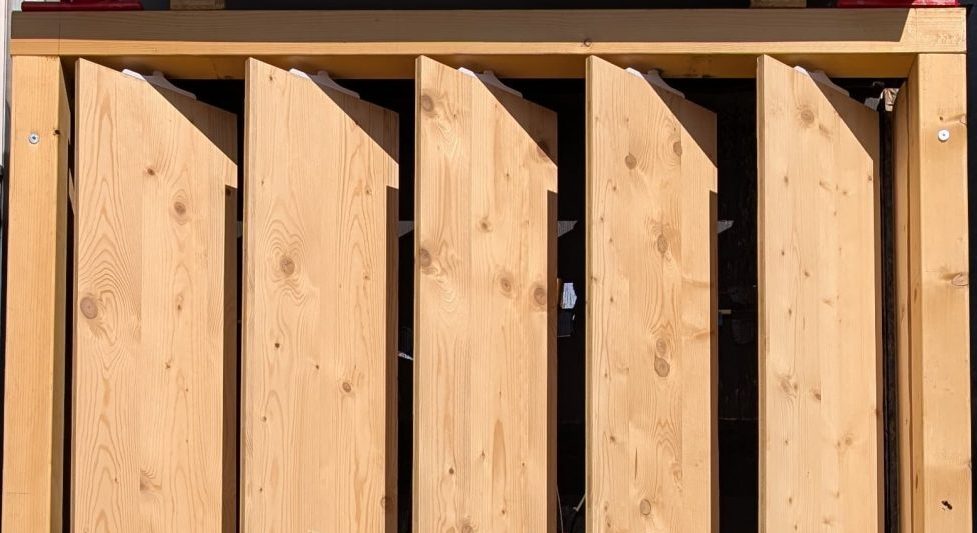
Outdoor Thermal Testing of ZERAF’s with Kinetic Cladding Variants
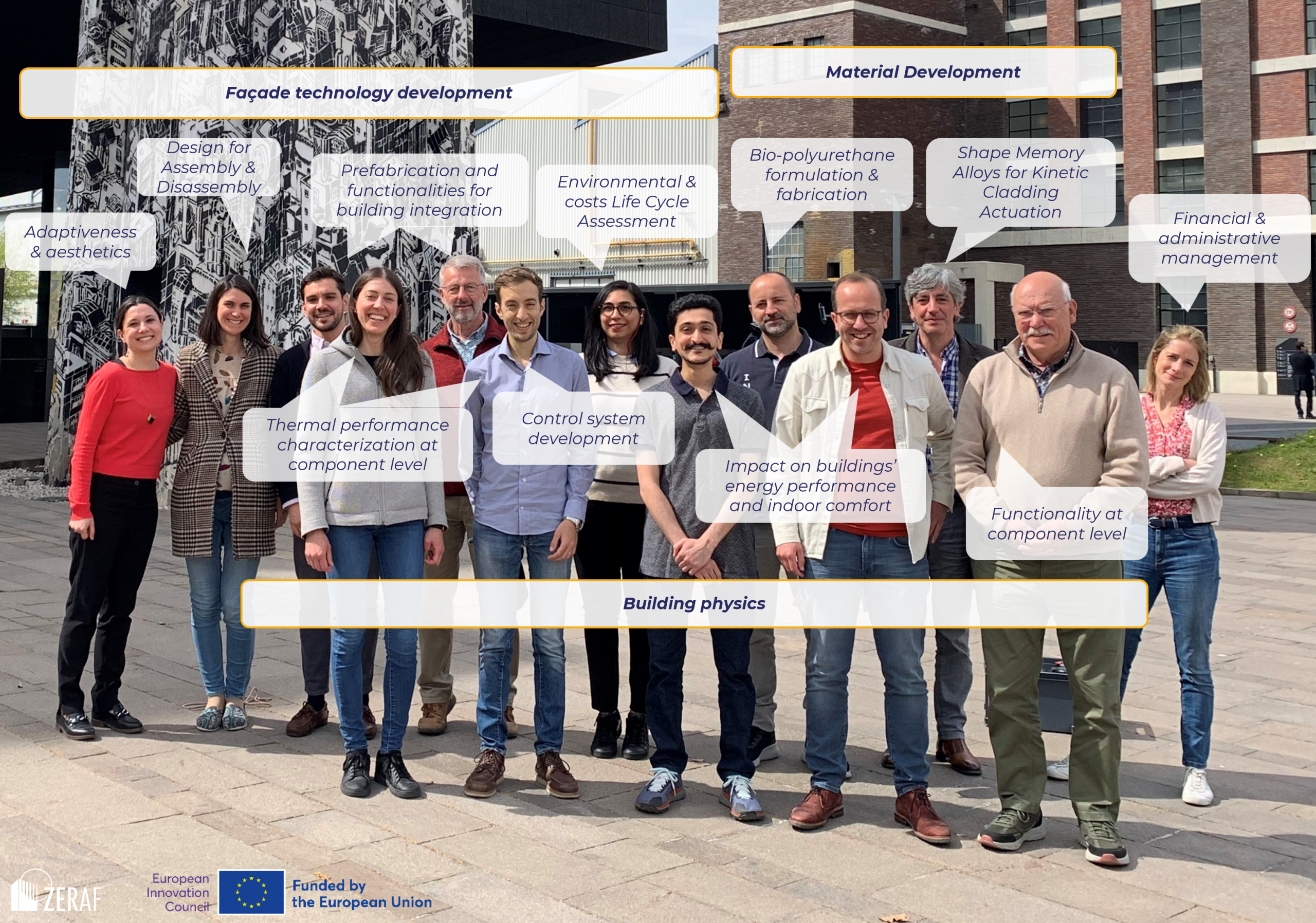
Interdisciplinary research: research activities and the role of different team members
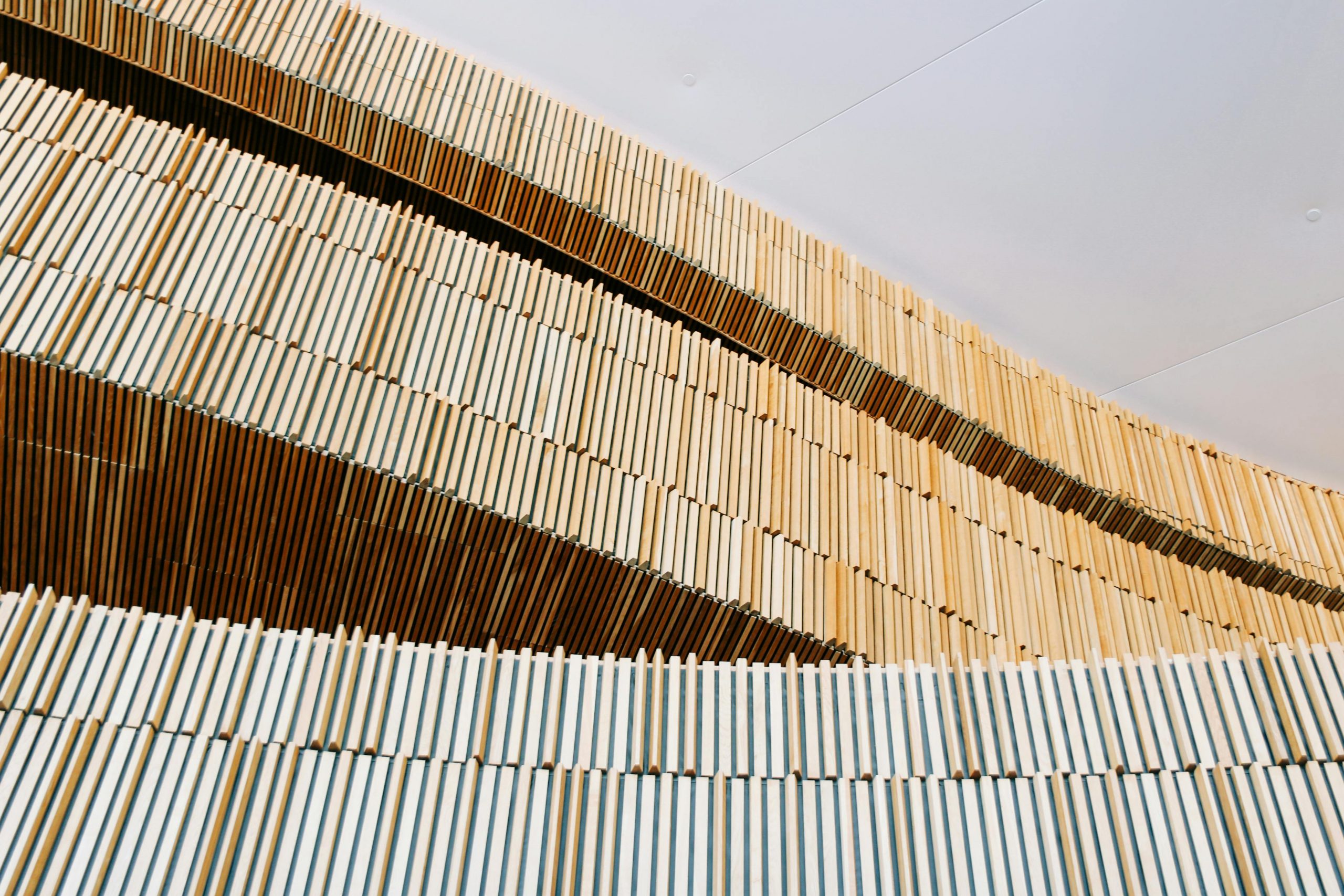
Podcast episode about adaptive facade technologies
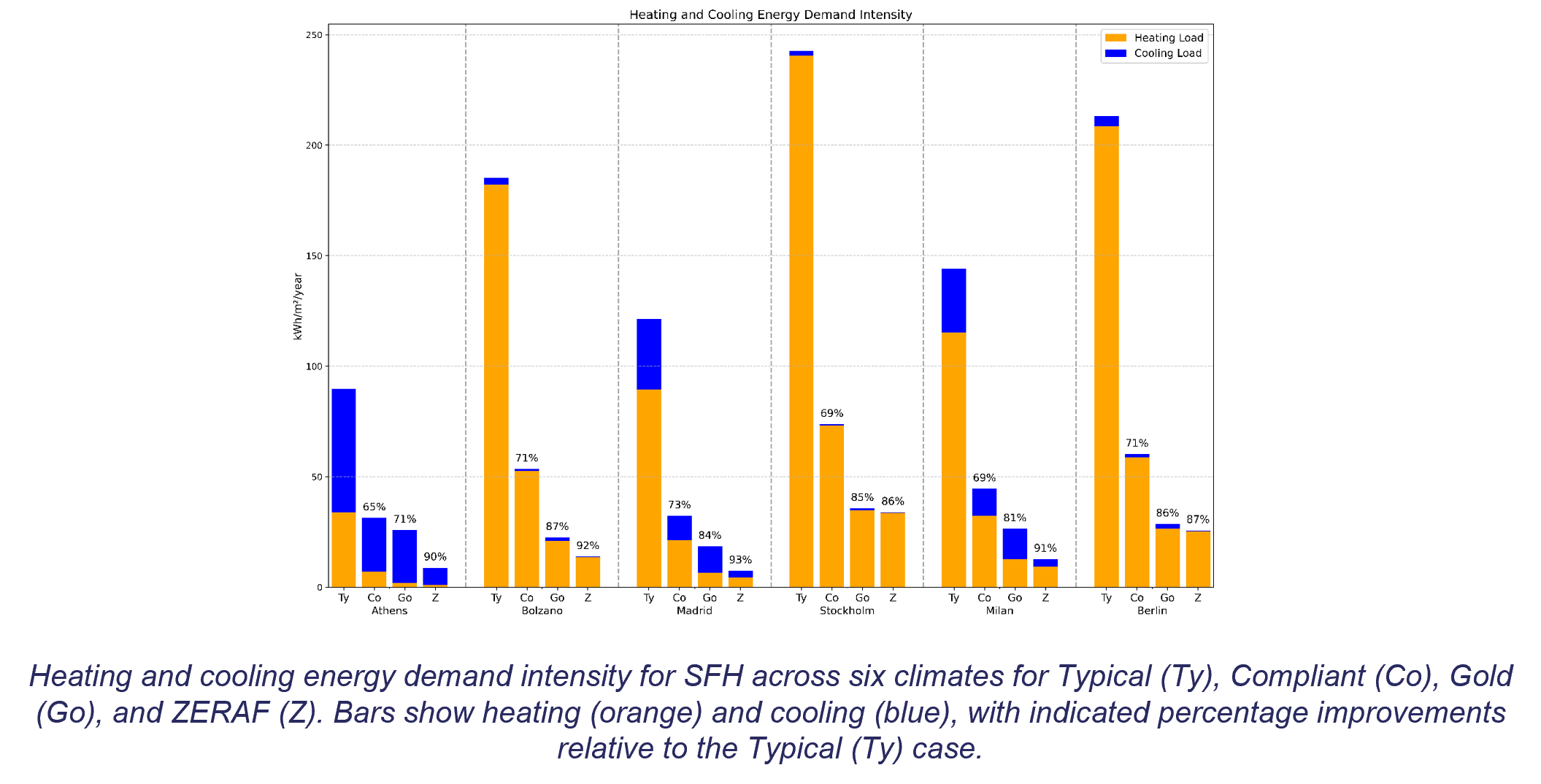
Preliminary assessment of ZERAF’s impact on operational energy use in buildings
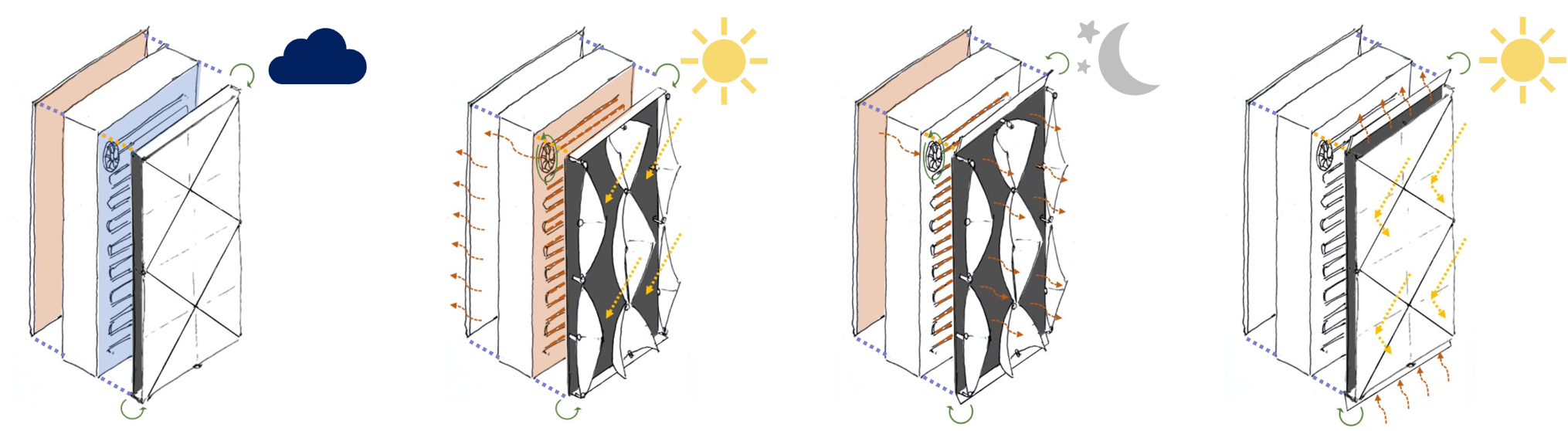
Understanding ZERAF Façade Technology: Technical Insights and Possible Variations